
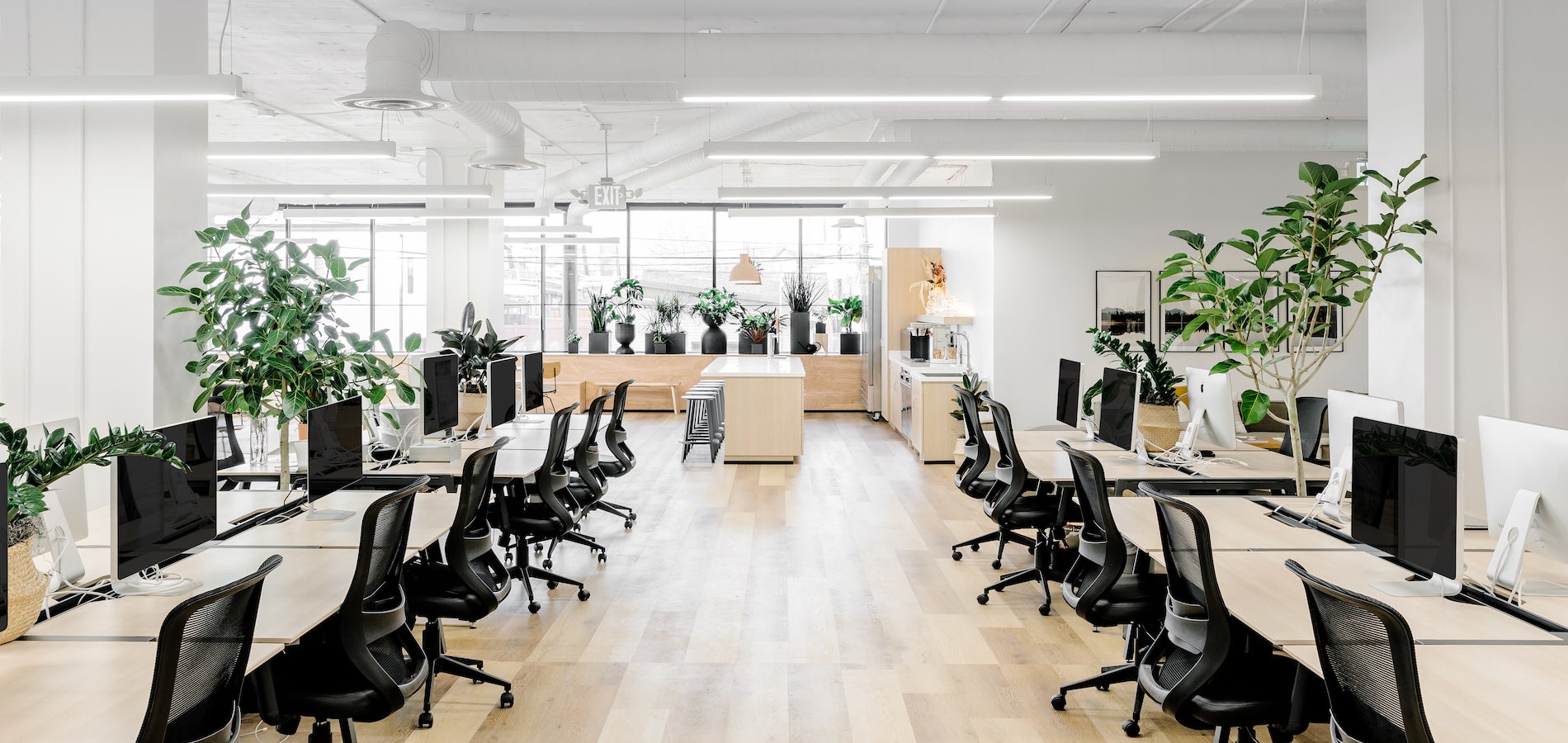
Office design plays an important role in by using how people work, interact, and feel within a professional environment. It is more than just arranging companies and chairs; it is a innovative process that combines functionality, appearance, and mindsets to manufacture a space where employees can perform at their full capacity. In today’s competitive world of business, well-planned office design has become an essential aspect in improving productivity, creativity, and employee satisfaction.
A modern day office is no longer just a place where tasks are completed. It has evolved into a dynamic environment that demonstrates company values, supports collaboration, and encourages innovation. Good office design considers lighting, layout, furniture, color schemes, and even acoustics to manufacture a balanced and efficient workspace.
The Role of Layout in Office Design
One of the most important facets of office design is the layout 辦公室設計公司. The arrangement of space directly influences how employees move, communicate, and work throughout the day. An open layout encourages interaction and teamwork, making it ideal for creative industries and collaborative projects.
On the other hand, a more structured layout with private spaces supports focused work and secrecy. Many modern offices combine both approaches, creating flexible environments that accommodate different working styles.
The flow of movement in the office is also important. A well-designed layout ensures that employees can move easily between sectors, meeting rooms, and workstations without unnecessary obstacles. This improves efficiency and reduces disruptions.
The Impact of Lighting on Workplace Performance
Lighting is a key factor in office design that significantly affects mood and productivity. Natural light is highly valued in modern workplaces because it enhances well-being and reduces eye strain. Offices that incorporate large windows or open spaces often create a more positive and energetic atmosphere.
Artificial lighting also plays an important role. Properly designed lighting systems ensure that work areas are well-lit without being harsh or uncomfortable. Adjustable lighting solutions allow employees to customize their environment based on their tasks and preferences.
Good lighting design contributes to better focus, reduced fatigue, and improved overall comfort at work.
Furniture and Ergonomics in Office Design
Furniture selection is another essential part of office design. Ergonomic desk furniture is designed to support the body and reduce physical strain during long working hours. Chairs with proper lumbar support, adjustable companies, and well-positioned monitors help maintain good position and forestall discomfort.
Modern office design increasingly focuses on flexibility. Adjustable companies that allow both sitting and standing positions are becoming popular as they promote movement and reduce health hazards associated with prolonged sitting.
The arrangement of furniture also influences collaboration and communication. Shared worktables, breakout areas, and comfortable sitting specific zones encourage interaction among employees, encouraging a more connected work environment.
Benefit of Color and Appearance
Color plays a powerful role in office design by influencing mood and behavior. Different colors can bring to mind different emotions and numbers of energy. For example, soft natural tones create a calm and professional atmosphere, while lighter colors can stimulate creativity and enthusiasm.
Many companies use color strategically to reflect their brand identity and create a unique workplace experience. A well-designed color scheme can make an office feel more inviting, organized, and inspiring.
Appearance also contribute to the overall impression of an office. Clean lines, modern decor, and innovative design elements help create a professional and appealing environment that leaves a confident impression on both employees and visitors.
Technology Integration in Modern Office Design
Technology has become a fundamental element of office design. Modern workplaces rely on digital tools, communication systems, and smart devices to enhance efficiency. Office design must accommodate these technologies in a seamless and organized way.
Cable management systems, wireless connection, and integrated charging areas help maintain a clean and functional workspace. Meeting rooms are often equipped with video conferencing tools and interactive screens to support remote collaboration.
Smart office systems are also becoming more widespread. These systems can control lighting, temperature, and security, creating a extremely effective and comfortable working environment.
Flexibility and Flexibility in Workspaces
Flexibility is a key trend in modern office design. As work styles continue to change, offices must adjust to changing needs. Flexible spaces allow employees to choose how and where they work, whether it is at a desk, in a meeting room, or in a casual hang area.
Modular furniture and removable dividers make it easy to reconfigure spaces based on different requirements. This flexibility is very important in dynamic work environments where collaboration and individual focus are both essential.
Flexible office design also supports hybrid work models, where employees split their time between the office and remote locations.
The Role of Office Design in Employee Well-being
Employee well-being is closely associated with office design. A cushty and considerately designed workspace can reduce stress, improve spirits, and enhance job satisfaction. Elements such as natural light, ergonomic desk furniture, and quiet specific zones contribute to a healthier work environment.
Spaces for relaxation and social interaction are also important. Breakout areas, lounges, and recreational specific zones allow employees to take breaks and charge during the day. This balance between work and rest helps maintain productivity and mental well-being.
A confident work environment created through good office design can also reduce employee turnover and improve overall workplace culture.
Sustainability in Office Design
Sustainability has become a major focus in modern office design. Environmentally friendly materials, energy-efficient systems, and waste reduction practices are increasingly being incorporated into workplace planning.
Green office design occasionally includes the use of recycled materials, energy-saving lighting, and indoor plants that improve air quality. These elements not only benefit the surroundings but also create a healthier and more pleasant workspace.
Sustainable office design demonstrates a company’s commitment to environmental responsibility and can enhance its reputation among employees and clients.
Challenges in Designing Modern Offices
Designing an effective office comes with its set of challenges. Balancing appearance with functionality requires careful planning. Limited space makes it difficult to create flexible and comfortable environments.
Budget difficulties may also affect design choices, requiring creative answers to achieve desired outcomes without excessive costs. Additionally, helpful different work styles within a single space can be complex.
Despite these challenges, innovative planning and innovative design strategies can lead to highly effective and inspiring workspaces.
The future of Office Design
The future of office design is expected to pay attention to flexibility, technology integration, and employee well-being. As work environments continue to change, offices will become more adaptive and user-centered.
Hybrid work models will influence how spaces are made, with greater increased exposure of collaboration specific zones and flexible sitting arrangements. Smart technology will further enhance efficiency and personalization within the workplace.
Biophilic design, which incorporates natural elements such as plants and natural materials, is also expected to are more popular as companies prioritize wellness and sustainability.
Conclusion
Office design is a vital part of modern business success. It influences productivity, creativity, and employee satisfaction while reflecting company identity and values. A well-designed office combines functionality, comfort, and appearance to manufacture a balanced and efficient work environment.